Our Software Architecture Approaches
Strong Foundations, Flexible Future: We Design Sustainable and Scalable Systems.
The Foundation of Success: The Right Architecture
The long-term success, flexibility, and maintainability of a software project depend on how solid its underlying architecture is. As Krizma, we adopt proven architectural patterns to master complex projects, facilitate teamwork, and respond quickly to change requests.
Layered Architecture (N-Tier): Manageability and Order
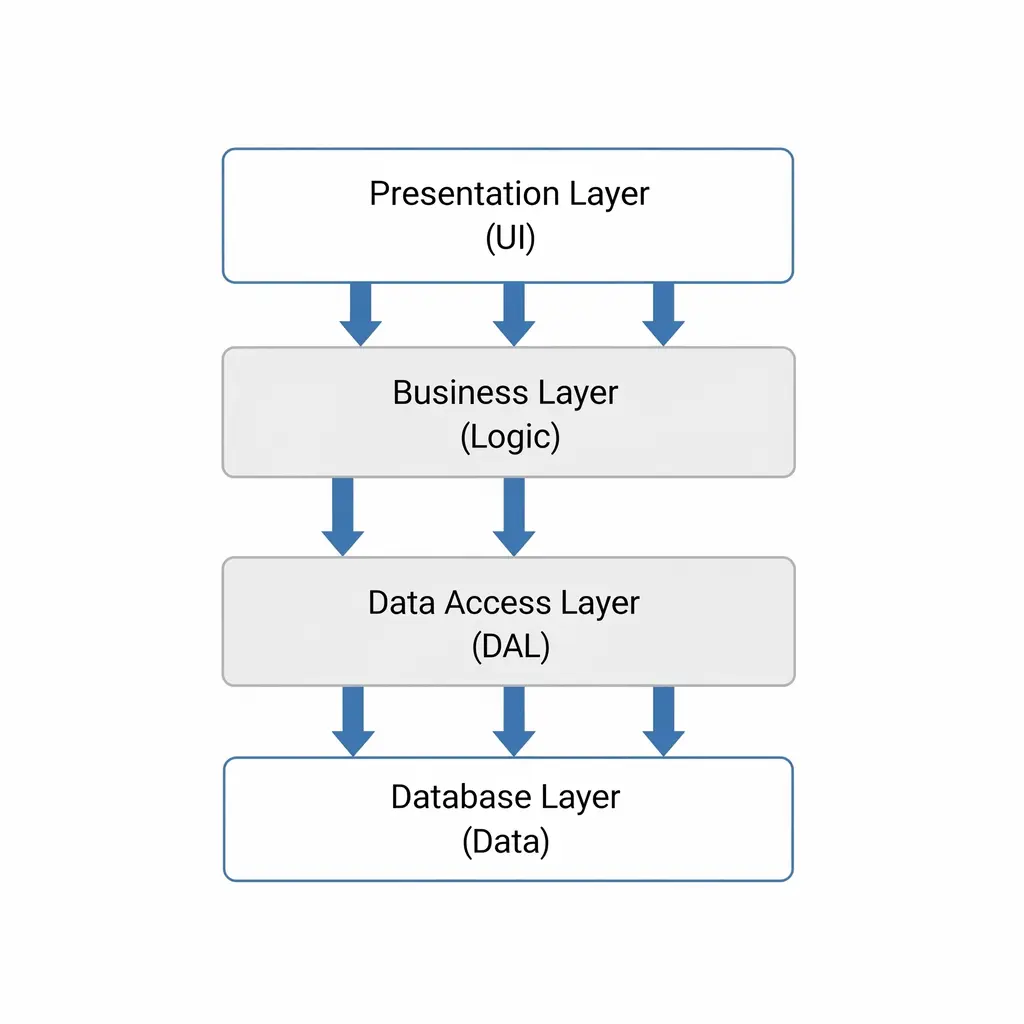
In all our software applications, we adopt a multi-layered architecture model that separates the different logical parts of the project. This approach ensures that the code is more understandable, manageable and testable.
- Presentation Layer: Contains the interfaces the user interacts with.
- Business Layer: The layer where the application's main logic and business rules reside.
- Data Access Layer: Manages communication with the database, ensuring data reading and writing.
- Security Layer: Manages security processes such as authorization and authentication.
Service Oriented Architecture (SOA): Integration and Flexibility
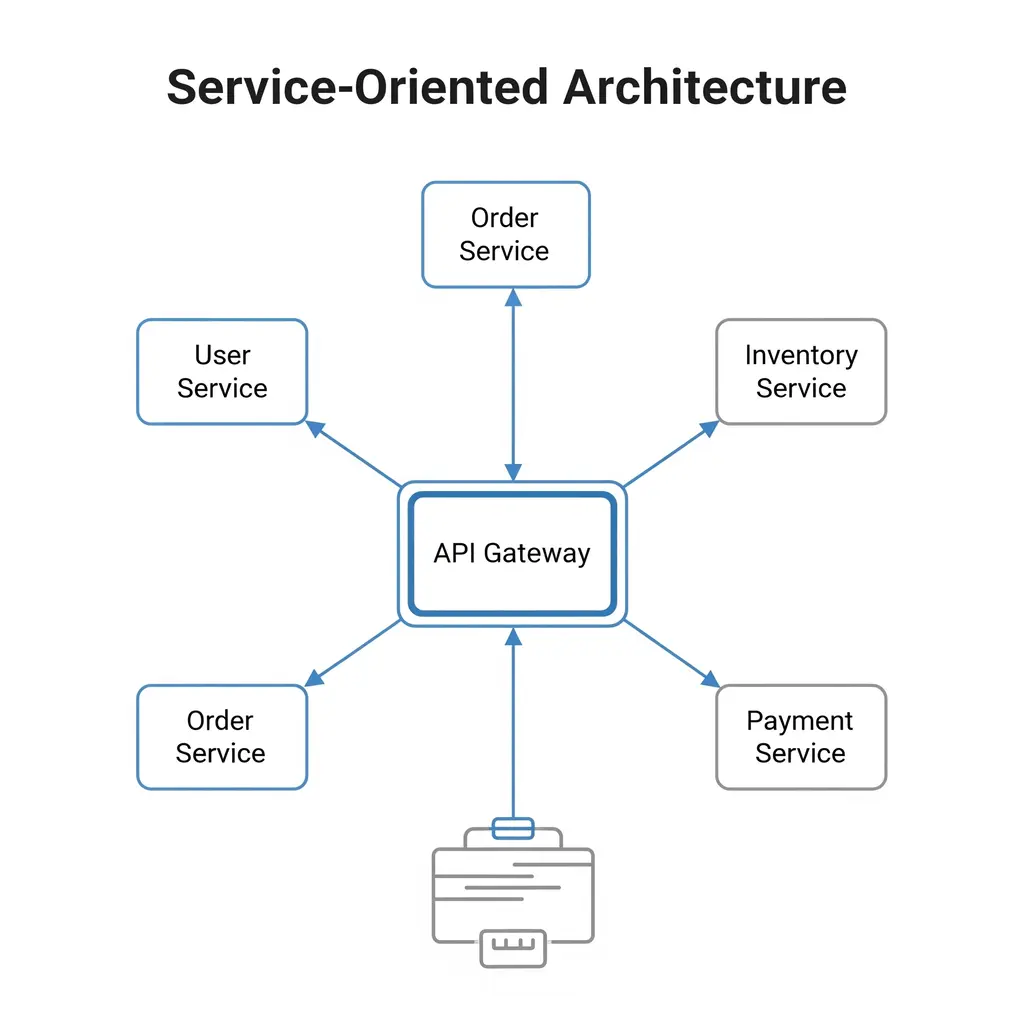
SOA is a modern approach that enables different software applications participating in business processes to communicate with each other and exchange data. This architecture allows us to design systems as independent "services" instead of tightly coupling them together.
Our applications establish secure communication via Web Services or Web APIs to receive or provide data from different systems. This forms the basis of our success, especially in our multi-stakeholder integration projects such as TANAP and TurkStream.
Let's Build Your Project's Architecture Together.
Benefit from our architectural consulting services to ensure your software project has a structure that is long-lasting, secure and easily adaptable to future needs.
Get Architecture Consulting